How Expedition Cruising Can Give Back to the Planet
It is tempting to talk about achieving a completely sustainable holiday or travelling with ‘no impact’. But when it comes to it, that is not the most honest way to look at it. A ship uses energy. It produces emissions. Travelling to remote parts of the planet inevitably leaves a trace.
The more meaningful question is: what can we do about that trace and what positive impact can we create alongside it?
That is where responsible expedition cruising comes in. From ‘leave no trace’ to ‘leave something positive’.
The principle of ‘leave no trace’ has long been associated with responsible exploration and it remains important: respect wildlife, protect fragile environments, take your waste with you and leave natural habitats undisturbed.
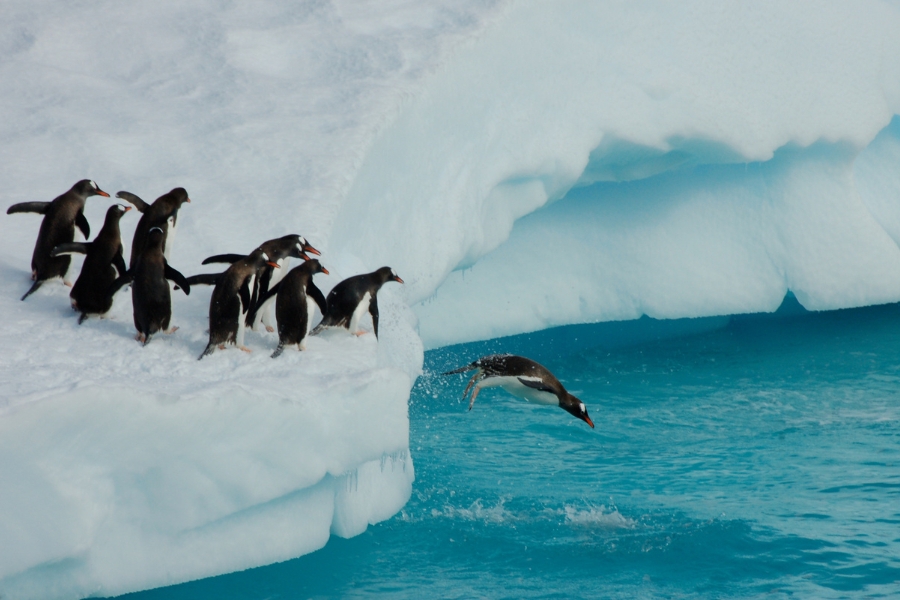
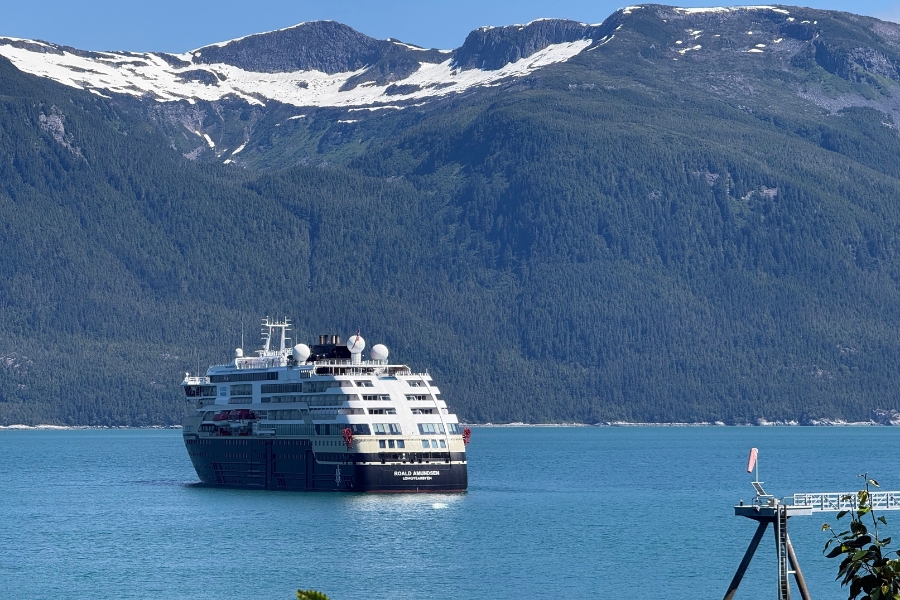
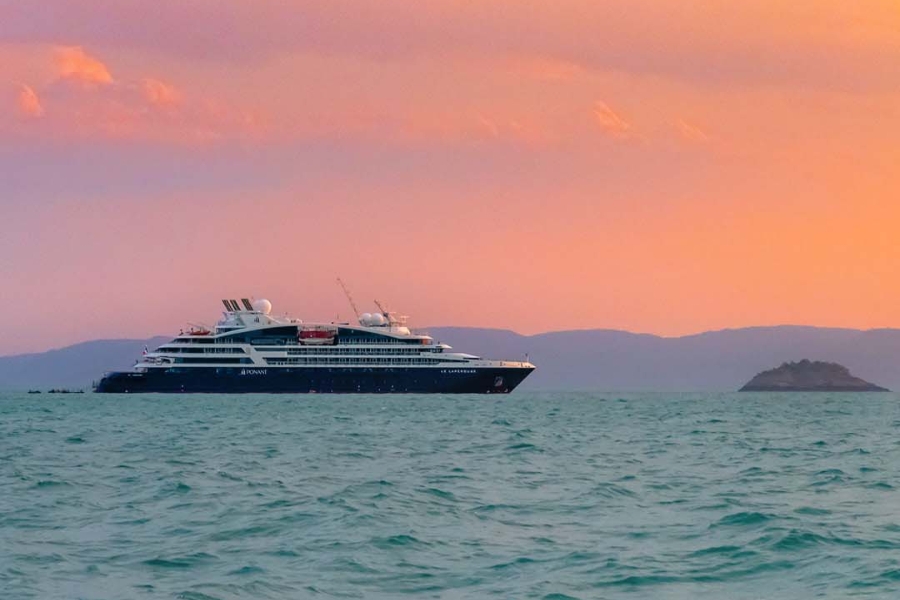
But expedition cruising can go further. Rather than promising that a voyage will leave no trace, cruise lines are increasingly looking at how they can reduce their environmental footprint, operate more responsibly and contribute positively to the destinations they visit. That can mean investing in more efficient ships and propulsion technologies, reducing waste and water consumption, protecting sensitive habitats and supporting conservation initiatives.
And it means recognising that sustainability is about much more than eliminating a plastic straw.
Across the expedition industry environmental responsibility is increasingly intertwined with ship design, fuel efficiency, waste management, conservation, scientific research and the way guests interact with the destinations they visit. For example, expedition operators are developing hybrid propulsion, advanced water systems and increasingly sophisticated onboard science programmes.

For you that creates an exciting opportunity: you don't simply have to observe the places you visit. You can help scientists and researchers to understand them. Your expedition can become a scientific expedition.
One of the most exciting aspects of modern expedition cruising is the growth of citizen science. Onboard science centres and expedition teams can give guests the opportunity to participate in genuine research projects alongside scientists and naturalists. You might photograph a whale's tail. Record a bird sighting. Observe cloud formations. Measure water clarity. Examine marine life through a microscope. Collect environmental observations.
These might sound like small actions. But collectively, they can create something much bigger: data gathered from places that can be difficult, expensive or impossible for scientists to reach regularly.
You are the only person who can collect the data in front of you.
There is something particularly powerful about citizen science at sea. Imagine standing on the deck of an expedition ship in the Arctic. A whale surfaces. You have seconds to capture the moment. No scientist sitting in a laboratory hundreds or thousands of miles away can collect the observation that you are seeing at that precise moment.
You are the only person in the world who can collect the data in front of you, at that moment.
Projects such as Happywhale use photographs submitted by members of the public to identify individual whales and build knowledge about their movements and populations. Happywhale was launched in 2015 and has grown into a substantial global dataset, with more than 1.6 million photographs submitted and hundreds of thousands of identified encounters recorded.
And expedition guests are part of that story.
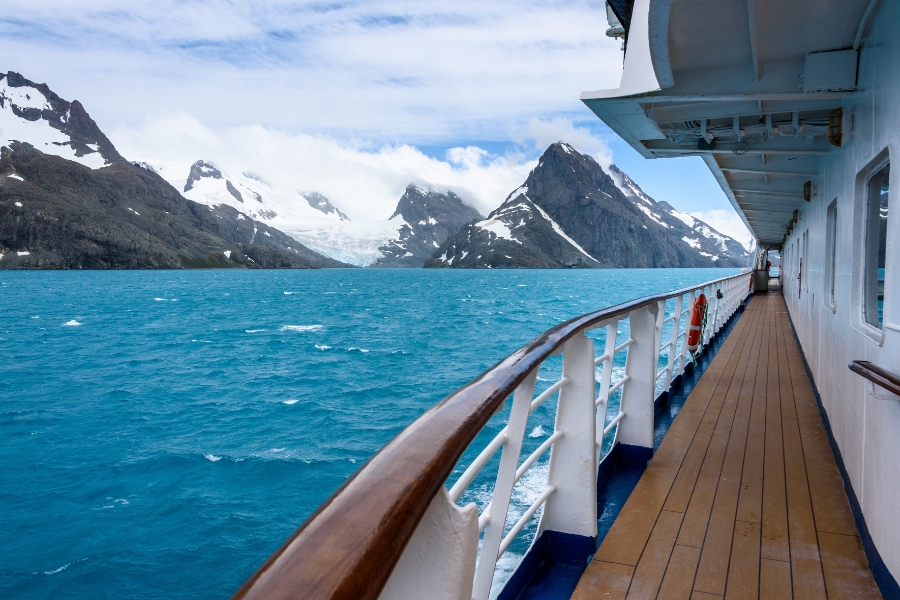
Citizen science is not about one observation or one voyage. Its power comes from scale and continuity. Over years of observations, thousands of individual contributions can begin to reveal patterns about where animals travel, how populations change, where species are found and how environmental conditions are shifting.
Responsible travel should ultimately be about giving back.
If we are privileged enough to visit Antarctica, the Arctic, the Galápagos, the Kimberley or other extraordinary ecosystems, it is reasonable to ask what we can give back.
Sometimes that contribution is direct conservation. Sometimes it is supporting restoration projects or local communities. And sometimes it is knowledge. Because understanding an environment is one of the first steps towards protecting it.
The data collected by expedition guests can help researchers build a more detailed picture of wildlife, weather, oceans and changing ecosystems. Some ships are also equipped to collect environmental measurements continuously, creating opportunities for scientific observations to continue even while guests are enjoying the voyage.
This is why the science behind expedition cruising matters.

Sustainability is about much more than single-use plastic.
Of course, reducing plastic matters. So do recycling, responsible waste management, water conservation and eliminating unnecessary consumption. But sustainability in expedition cruising needs to be considered on a much broader scale.
For guests, it also means making responsible choices: listening to expedition guides, respecting wildlife distances, following biosecurity procedures, avoiding disturbing habitats and taking an active interest in the places you visit.
And perhaps most importantly, it means understanding that responsible travel is not about being perfect. It is about being part of the solution. Travel with curiosity. Leave with a contribution.
There is a special feeling that comes from knowing your expedition has been about more than simply seeing something extraordinary. Perhaps you photographed a whale that scientists can now identify. Perhaps you recorded a bird that helped build a picture of species distribution. Perhaps you took part in an ocean observation, studied plankton, monitored clouds or helped document a changing landscape.
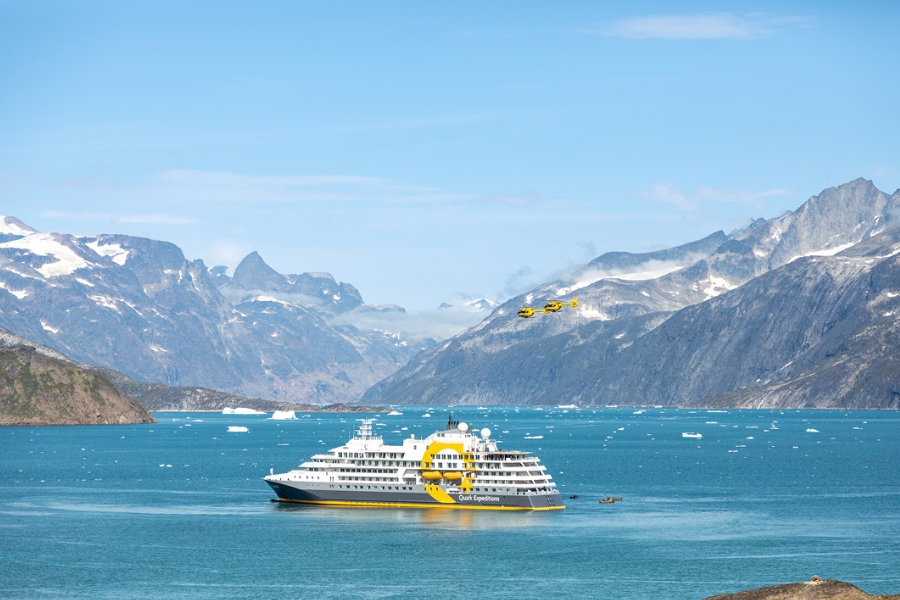
Your individual contribution may feel small, but science is built on observations.
And when those observations are collected by thousands of people over many years, they can become an extraordinary resource for understanding our planet.
So perhaps the future of responsible expedition travel isn't about claiming that we can leave no trace. Perhaps it is about being honest about the impact of travel, continually working to reduce it and leaving a positive impact behind.
Ready to book your next adventure? Find out more about expedition cruises and get in touch whenever you're ready.