
What is expedition cruising?
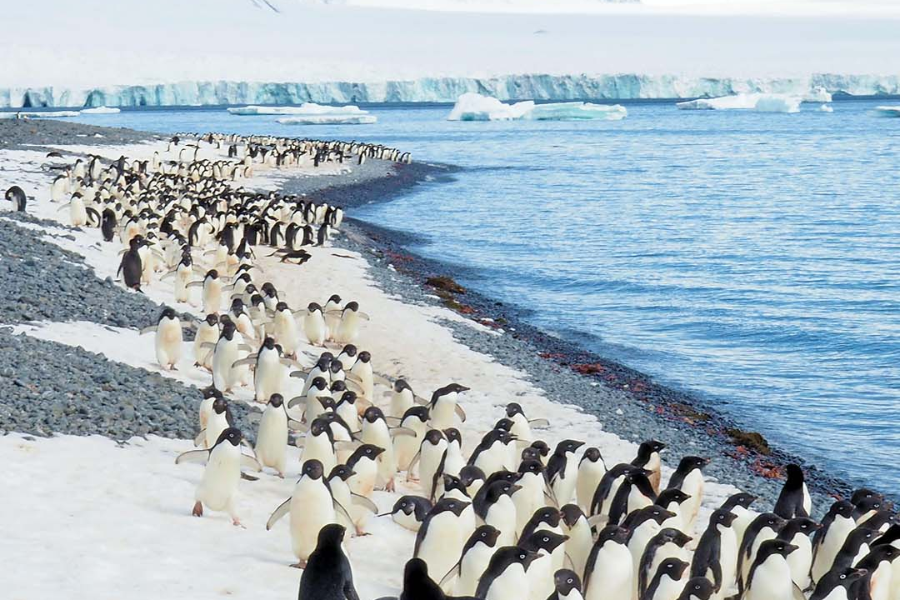
Imagine stepping off a Zodiac onto a pebble beach filled with penguins of all varieties. Or gliding past an iceberg the size of a large house, glowing an impossible shade of blue. Or snorkelling alongside sea lions in waters that inspired Darwin's theory of evolution. This is expedition cruising and once you've experienced it, travel never feels quite the same again.
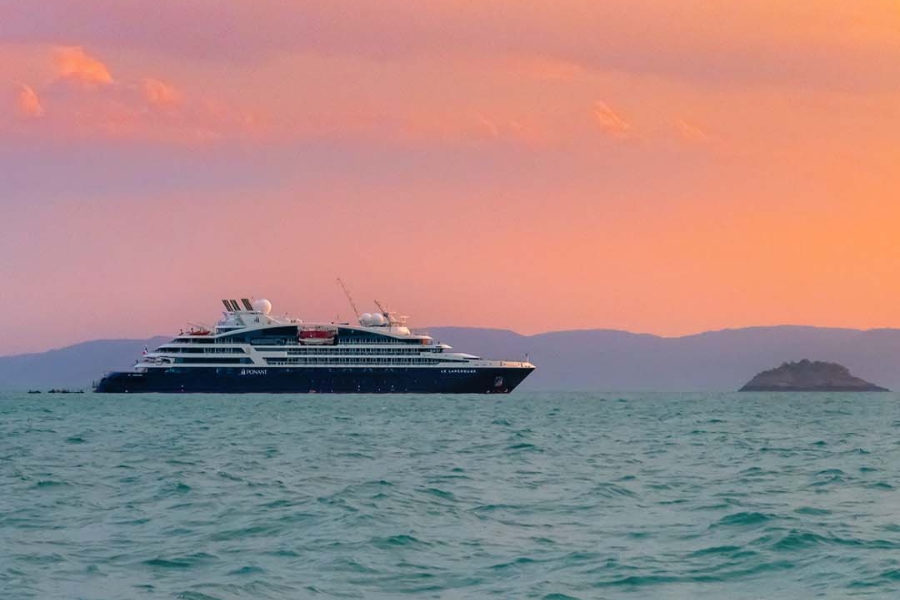
At its heart, expedition cruising is about reaching the places most people only ever see in documentaries. Many of these remote corners are impossible to reach other than by sea, so expedition ships are designed to bring you closer to them.
How is it different from a traditional cruise?
A classic ocean cruise is built around the ship and its ports of call. On an expedition cruise, the destination is the star of the show, and the ship is your comfortable, capable base for exploring it.
Smaller ships, bigger access
Expedition vessels are typically far smaller than mainstream cruise ships, often carrying fewer than 200 guests. That means they can navigate narrow fjords, shallow coves and icy channels that larger ships simply can't reach. In Antarctica, it also means more time ashore, as strict rules limit how many visitors can land at once.
An expert expedition team
Every voyage is led by a team of naturalists, marine biologists, glaciologists, historians and photographers. They guide your landings, host lectures on board and help you understand exactly what you're looking at, whether that's a humpback whale's tail or a centuries-old whaling station.
Flexible itineraries
Rather than sticking rigidly to a timetable, expedition cruises adapt to weather, ice and wildlife. If a pod of orcas appears on the horizon or temperatures plummet so that the sea starts forming clumps of ice (making it difficult for Zodiacs to navigate through), plans may change.
Hands-on adventure
Days are spent out exploring. Zodiac cruises are a staple on expedition cruises, but depending on your voyage you might kayak past glaciers, hike across tundra, snorkel with marine life, or even descend beneath the waves in a submarine or take to the skies by helicopter.
Is expedition cruising luxurious?
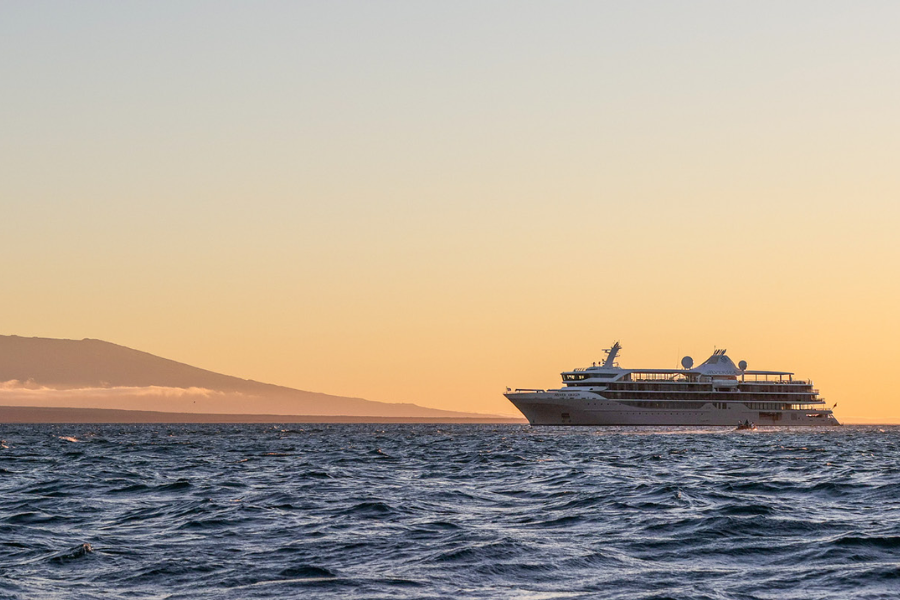
It can be if you want it to be! A new generation of polar and adventure vessels has transformed what an expedition looks like. Today's ships from lines such as Silversea, Seabourn, Scenic, Atlas Ocean Voyages and Ponant combine true exploration with spacious suites, fine dining, spas and panoramic observation lounges. You can spend the morning watching leopard seals from a Zodiac and the evening enjoying a glass of champagne as the ice drifts past your window.
Frequently asked questions
Where can I go on an expedition cruise?
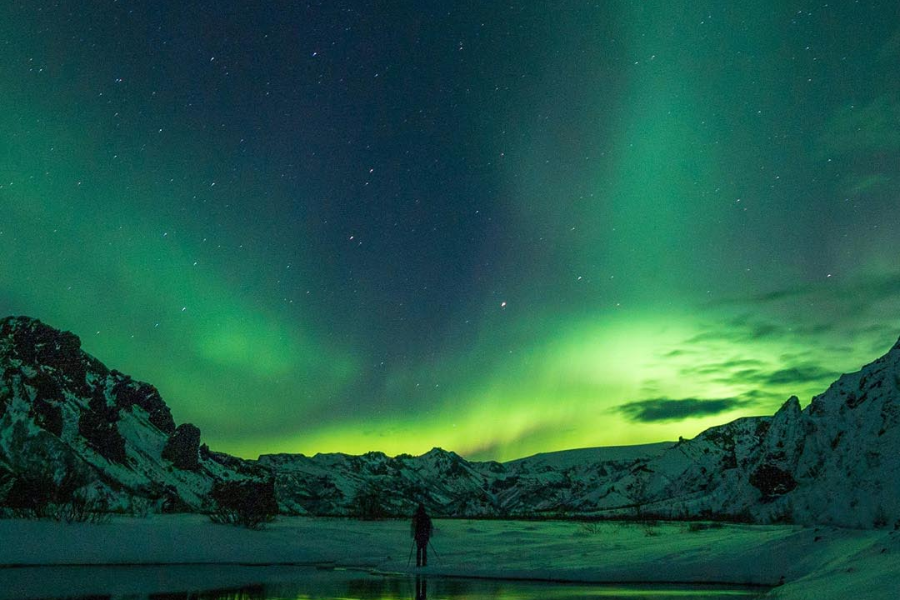
The polar regions are the most iconic expedition destinations. Antarctica offers penguin colonies, towering icebergs and a wilderness that has to be seen to be believed, while voyages to South Georgia add vast king penguin colonies to the mix. In the Arctic, you can search for polar bears in Svalbard, witness the Northern Lights in Iceland and sail Greenland's epic fjords under the midnight sun.
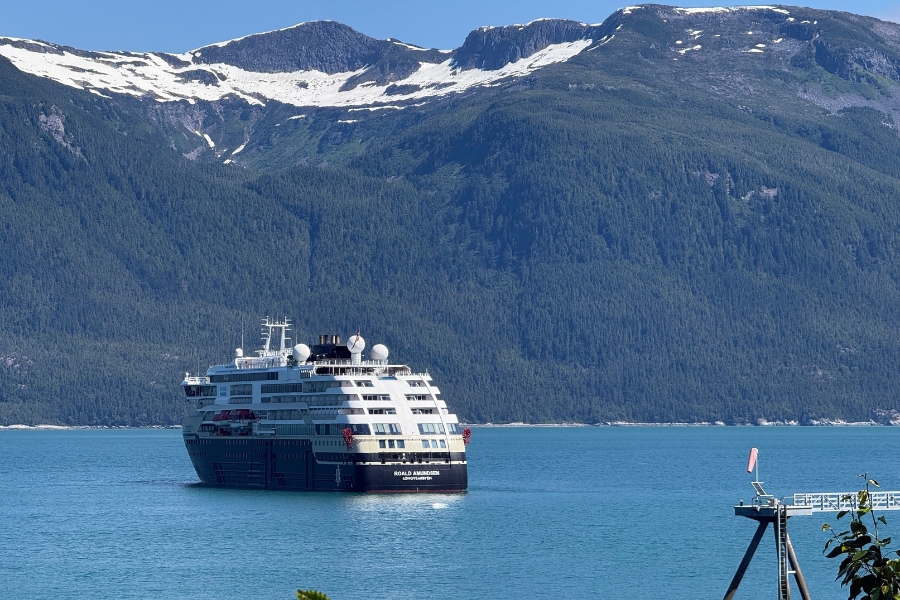
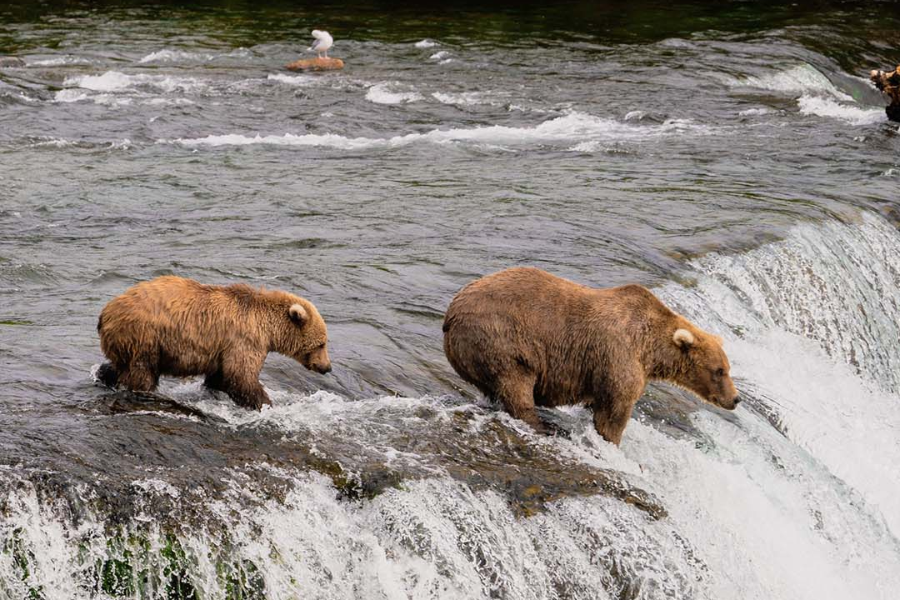
But expedition cruising isn't all about the ice. The Galápagos Islands are a living laboratory of evolution, home to giant tortoises, marine iguanas and blue-footed boobies. Alaska delivers glaciers, grizzly bears and breaching whales, while the Kimberley in Western Australia reveals red cliffs, ancient rock art and thundering waterfalls.
When should I go on an expedition cruise?
It depends entirely on where you want to go, as each region has its own season:
Antarctica: November to March, during the southern summer. Early season brings fresh snow and courting penguins, mid-season means you’ll likely see penguin chicks, and late season is prime time for whales.
Arctic: June to September, when the sea ice retreats and the midnight sun lights up the landscape.
Alaska: May to September, with peak wildlife activity in the summer months.
The Kimberley: May to September, during the region's dry season. Early in the season, the waterfalls are at their most spectacular.
Galápagos islands: All year round. There's no truly bad time to visit, as each season brings its own wildlife highlights.
Do I need to be adventurous or particularly fit?
Not really. If you’re considering an expedition cruise, you’re probably already a pretty adventurous person! Expedition cruising has an activity for everyone. If you love a challenge, you can kayak, hike or join a polar plunge.
If you'd rather take things gently, Zodiac cruises and time on deck with binoculars offer just as many unforgettable moments. However, whilst the expedition team is always on hand to help you in and out of Zodiacs, it’s best if you have a good level of fitness and mobility.
What's a typical day like on board?
There's no such thing as a typical day – always be prepared for expedition itineraries to make small changes here and there depending on weather – but most follow a loose rhythm. After breakfast, you might head out on a morning landing or Zodiac cruise. You'll return for lunch while the ship repositions, then set off on an afternoon excursion.
Evenings bring a recap from the expedition team, a briefing on tomorrow's plans and a relaxed dinner shared with fellow explorers. Late nights aren’t really a thing on expedition cruises, as you’ll be up early in the mornings for excursions and you’ll be tired from all the incredible activities you’ll be taking part in!
What should I pack?
For polar voyages, layering is everything: thermal base layers, a warm fleece, waterproof trousers, gloves and a hat. Many luxury lines provide a branded expedition parka and waterproof boots, so check what's included before you go. Don't forget binoculars, sunglasses and plenty of camera storage.
For warmer destinations like the Galápagos islands, swap the layers for lightweight clothing, reef-safe sun cream and your swimwear.
How do I choose the right expedition cruise?
It pays to speak to someone who's been there. Our cruise connoisseurs have sailed to Antarctica, explored the Arctic, journeyed through Alaska’s Inside Passage, stepped ashore in the Kimberley and snorkelled in the Galápagos, so every recommendation is grounded in first-hand experience rather than just a brochure.
As one of our team puts it, nothing prepares you for Antarctica; it simply has to be lived.
When you book with Panache Cruises, you'll benefit from our best price guarantee, exclusive savings and Founders points towards future adventures. Call our cruise connoisseurs for a free expedition consultation – let’s get that adventure in the diary!