


What Is The New EU Entry/Exit System and How Will It Affect Me?
If you’ve been keeping up with travel news lately, chances are you may just have heard talk of the EU’s new Entry/Exit System (EES). Safe to say, it’s a bit of a buzzword at the moment.
But what actually is it? And what does it mean for you?
Luckily, YouGov have recently run a survey in order to ascertain how much knowledge British travellers have on the subject and to what extent they’ve been personally affected. Furthermore, they’ve also collected data on whether the effects of the EES may impact British travellers’ future holiday plans.
We thought it may be useful to compile the statistics in one place and lay it out as plainly as possible, so that hopefully, you can find out everything you need to know about the EU’s new EES and what – if any – effect it may have on your travel plans.
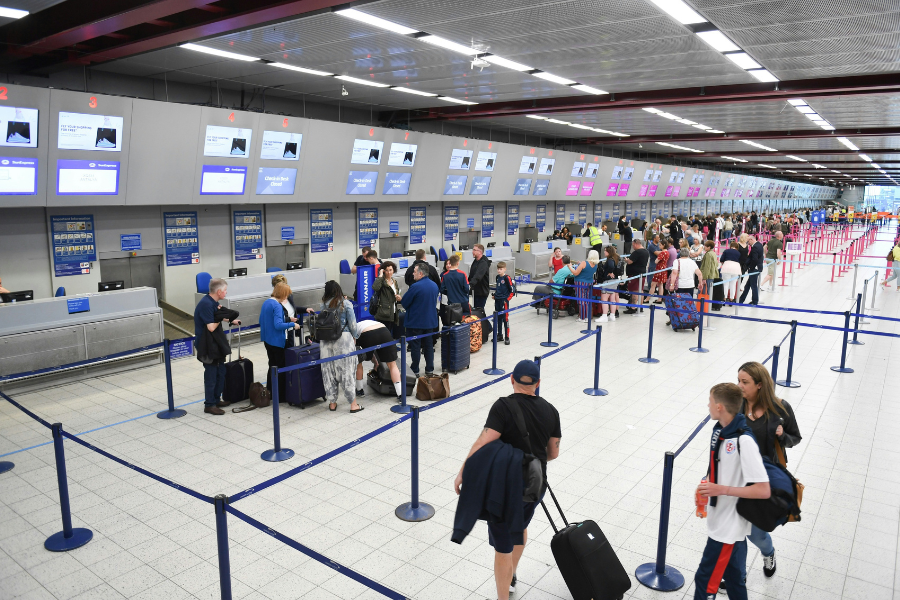
So, just how much do British travellers actually know about the EES?
Quite a bit, as it happens. 75% of Britons have read reports of longer waits at border control as a result of the EES. Of everyone who took the survey, 15% have travelled to mainland Europe in the last month, 39% have plans to travel there in the next 12 months and 5% state that both applies.
What kind of delays are British travellers experiencing as a result of the EU EES?
The survey results make it clear that new regulations surrounding biometric information (such as fingerprints and facial recognition) are the main culprit when it comes to airport queues, with 36% of British travellers reporting delays for this reason.
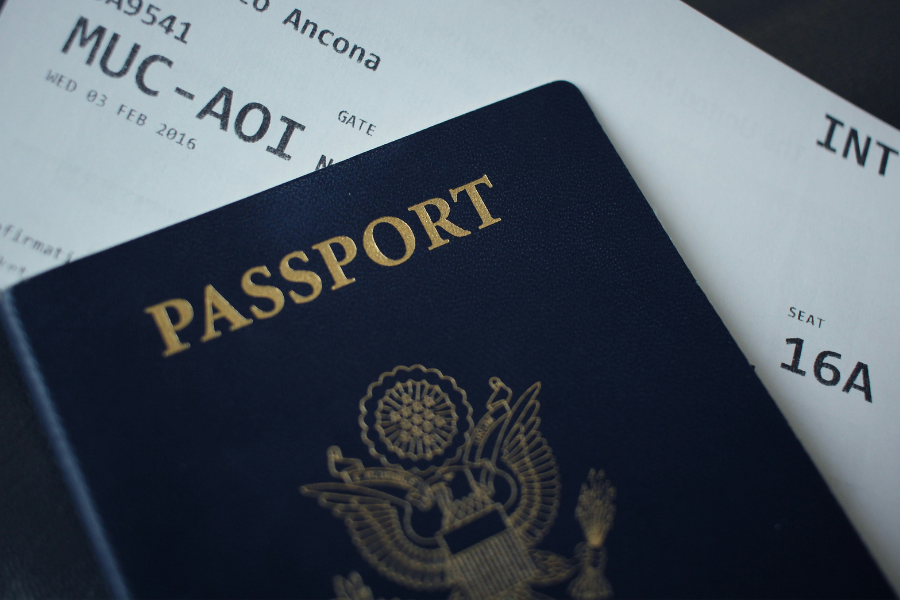
30% of British travellers noted delays at passport control and 16% also mentioned additional passport/document checks.
That said, 37% of British travellers stated that they did not experience any of the above.
What are the overall effects on the EES on travel?
Well, the good news is that just over half of survey respondents reported that their European trip was not impacted in any way.
However, 27% did state that the EES added to their travel time and 16% noted that the start of their trip was delayed. This in mind, it would be prudent to allow a little more time than you think you need when travelling to mainland Europe.
What kind of changes can we expect to see when it comes to Britons travelling to Europe?
Well…none, reassuringly.
Despite all the reports, European travel is largely expected to remain the same. In fact, 51% of survey respondents said that the EES was extremely unlikely to impact their future travel plans.
So, just to be clear—do people still feel comfortable travelling to mainland Europe?
Short answer—yes. Whilst people might alter their plans or approach European travel slightly differently, very few people are talking about not travelling to European countries at all. In fact, 64% say they will still travel as they had planned, whilst 41% say they will allow more time for their journey.
And if you want our advice, it’s better to be a bit early than be cutting it fine, so we’d always recommend allowing plenty of time when travelling and following any guidance given to you by the airlines. That way, you’re more likely to enjoy a smooth, stress-free experience.

In conclusion, the rollout of the new EU Entry/Exit system has caused delays for some in a handful of airports across Europe. I think we can all agree that implementing new systems usually comes with teething problems but take reassurance from the fact that travellers reporting significant issues are in the minority. Whilst some travellers are altering their plans, it’s more a case of ‘how should we travel?’ not ‘should we be travelling at all?’
We’d recommend not stressing too much, allow a little more time than usual and prepare to be flexible. Beyond that, the only thing left to do is enjoy the trip!