

Everything You Need To Know About European River Water Levels
If you’ve previously embarked on a European river cruise, have one in the calendar already or are thinking of getting one booked, the words ‘low water levels’ may strike fear in your heart.
But worry not! Whilst we can’t deny that:
A.) Low water levels do, in fact, occur across a handful of Europe’s waterways.
B.) Said low water levels sometimes cause disruption to river cruising.
None of this is:
A.) Unprecedented.
B.) Unexpected.
C.) Something that the cruise lines aren’t equipped to deal with.

We’ve put together a brief guide to European water levels: everything you need to know, how it may affect you and why you definitely shouldn’t be panicking.
Do I need to worry about low water levels?
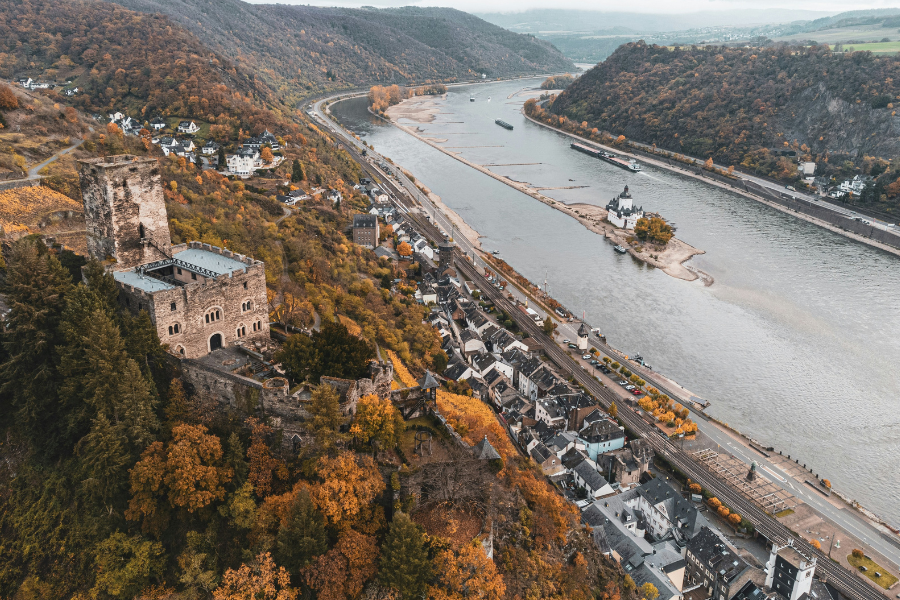
So, the first thing to know is that not all European rivers are affected. In fact, if you’re sailing the Seine, Douro, Rhône or Moselle, you should be fine. It’s only the Rhine and the Danube where you’ll sometimes find issues. However, the good news is that – this year, at least – the Danube has remained largely navigable through Slovakia, Austria and Hungary. Plus, rainfall in the Rhine region means that water levels have been stabilised there in comparison to previous years.
How are the cruise lines combatting low water levels?
As we know, technology and engineering – particularly in the cruise sector – are evolving all the time. Given the restrictions of river travel, the vessels have to be perfectly calibrated to navigate tricky waters: low enough to pass beneath bridges but with a shallow enough draft to not be scraping the riverbed. Cruise ship engineers have this to a fine art nowadays, with less than a foot of water beneath the ship’s keel sometimes.
In addition, cruise lines are endeavouring to build their ships out of lighter materials these days, with aluminium often used in place of steel and heavier interior materials like marble forgone entirely, making the ships much more buoyant.
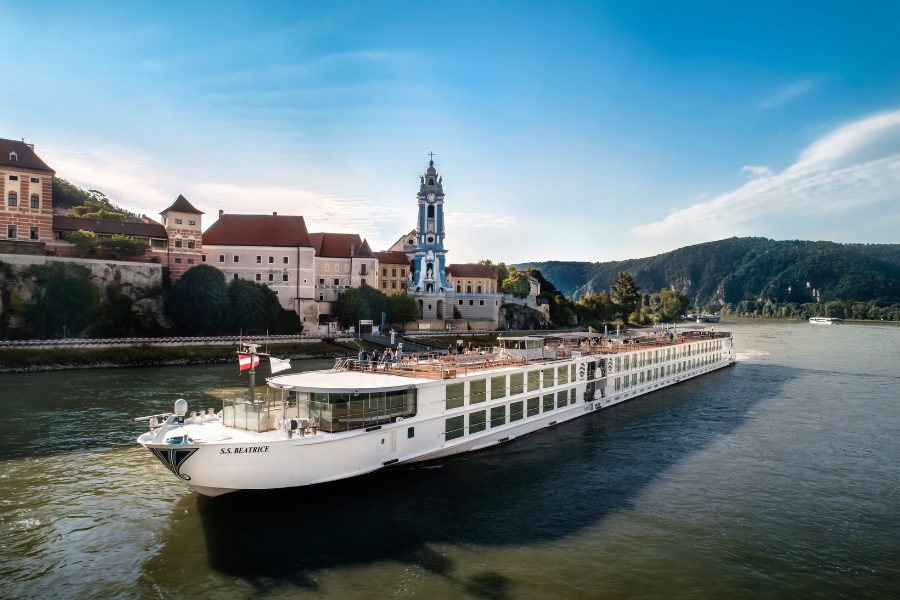
Thinking outside of the ships themselves, the lines are thinking much more innovatively when it comes to scheduling, and selecting ports and routes, allowing for greater flexibility if they encounter any problems as well as reducing overcrowding on the rivers.
What happens if water levels get too low to sail?
As you can imagine, cancelling a cruise outright is the very last things the cruise lines want to do, so if there is an issue, they’ll look for alternatives:
- The most common solution is to have the guests swap ships. In this instance, you’ll disembark and be transported to another town by bus, where one of the line’s other vessels will be waiting for you—either a sister ship, or something very similar. All luggage will be taken care of and stateroom status will be matched.
- If, for whatever reason, this isn’t possible, you’ll be taken as far as possible via river and then you’ll disembark and complete the rest of your journey in land-based hotels, which the cruise line will pay for.

To summarise—yes, low water levels are a thing. No, we don’t think it’s anything to be especially worried about. Remember, every precaution has been taken to ensure the ships can sail in difficult conditions and technology improves year on year. If the worst comes to the worst, you can rest easy in the knowledge that the cruise lines will do everything in their power to keep your trip running smoothly.